In 2010, Leaders from Indigenous and allied non-Indigenous shelters in Ontario got together for a joint meeting to discuss shared issues. The main conversations centered around Missing and Murdered Indigenous Women and Girls, how alone the Leaders felt, and how disconnected Shelters were from one another. All attendees agreed that an organization, association, or formal body should be created to help them work together and hold each other up.
The leaders gathered a second time and decided to develop an incorporated organization. AboThe primaryriginal Shelters of Ontario was born in 2011 with the inagural Leaders vowing to operate from a place of openness, transparency, and honesty, respecting interconnectedness while valuing the diversity of traditional teachings across Ontario.
Today, Aboriginal Shelters of Ontario (ASOO) has over 75 members and associate members. These Leaders demonstrate ongoing commitment to Indigenous family violence shelters through the co-creation of innovative and progressive initiatives. The primary activities of ASOO are:
The Aboriginal Shelters of Ontario (ASOO) was formed in 2012 to provide a collective voice for Aboriginal shelters in Ontario as they respond to family violence in Aboriginal communities.
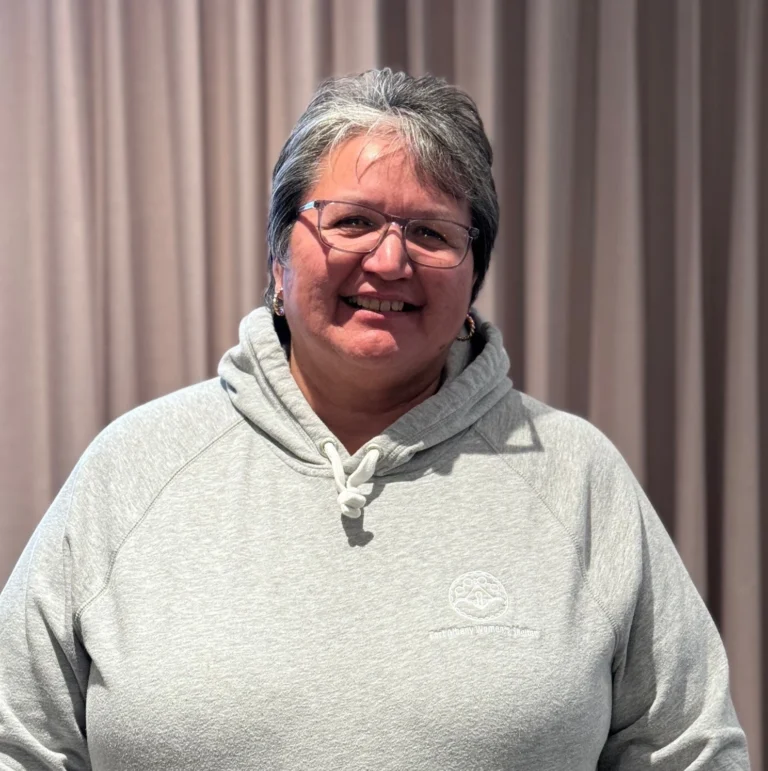
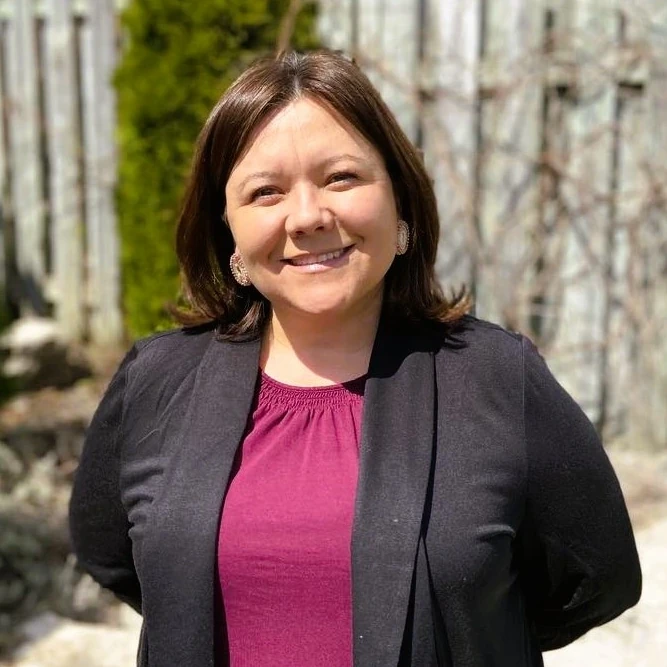
I have a strong work ethic and will endeavor to establish a supportive and safe working environment for the ASOO membership and staff. I know its important to consult and collaborate with our member shelters and transitional programs in the cocreation of ASOO’s innovative and progressive initiatives. I look forward to working with each of you!
Chi miigwech Kina Waya for this opportunity!
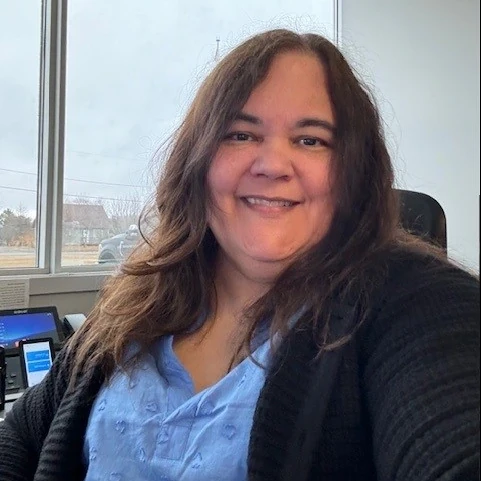
Over several decades, Colleen has built a distinguished career dedicated to advocating for Indigenous women. Her work spans various sectors, including community development, social services, and policy advocacy. Colleen’s extensive experience has equipped her with a deep understanding of the challenges faced by Indigenous women and the systemic barriers that hinder their access to essential services.
As an active leader and community builder, Colleen has played a pivotal role in numerous initiatives aimed at empowering Indigenous women. She believes that access to culturally relevant supports, services, and programs is crucial for fostering resilience and promoting well-being within Indigenous communities. Her advocacy efforts are rooted in the principles of respect for Indigenous culture and self-determination.
In her current role as Executive Director of Beendigen, Colleen continues to champion the rights of Indigenous women. Beendigen is an organization focused on providing support services tailored to the unique needs of Indigenous women facing various challenges. Under Colleen’s leadership, Beendigen has expanded its programs to include mental health support, cultural programming, and community engagement initiatives.
Colleen’s passion for ensuring that Indigenous women have access to these vital resources drives her work at Beendigen. She collaborates with other organizations and stakeholders to advocate for policies that promote equity and justice for Indigenous peoples. Through her leadership, she aims to create a safe space where Indigenous women can thrive while honoring their cultural heritage.
Colleen Maloney’s lifelong dedication to advocating for Indigenous women reflects her commitment to social justice and community empowerment. Her work not only uplifts individuals but also strengthens communities by fostering connections rooted in culture and shared experiences.
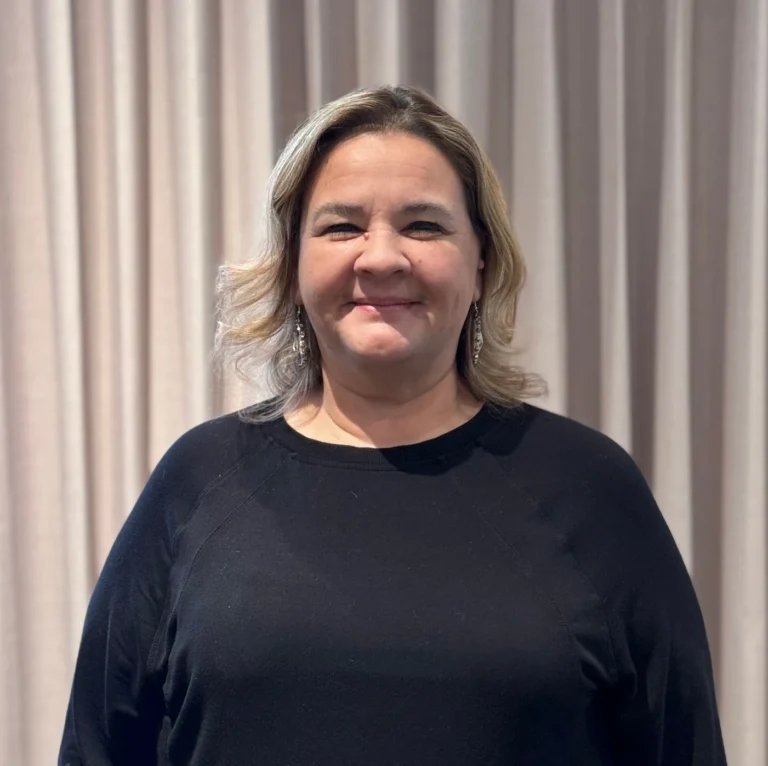
Ojbway White Sand First Nation joined Minwaashin Lodge in 2005 as a Sexual Abuse Counsellor. The support Lodge provides a range of programs and services to the Indigenous community. In 2008, Mary joined management as the Counselling Team Supervisor becoming Acting ED in 2011 and ED in 2014. The spirit of her ancestors led her to pursue her dreams in supporting Indigenous women and children fleeing domestic abuse and violence with a Native Studies and Addictions background.
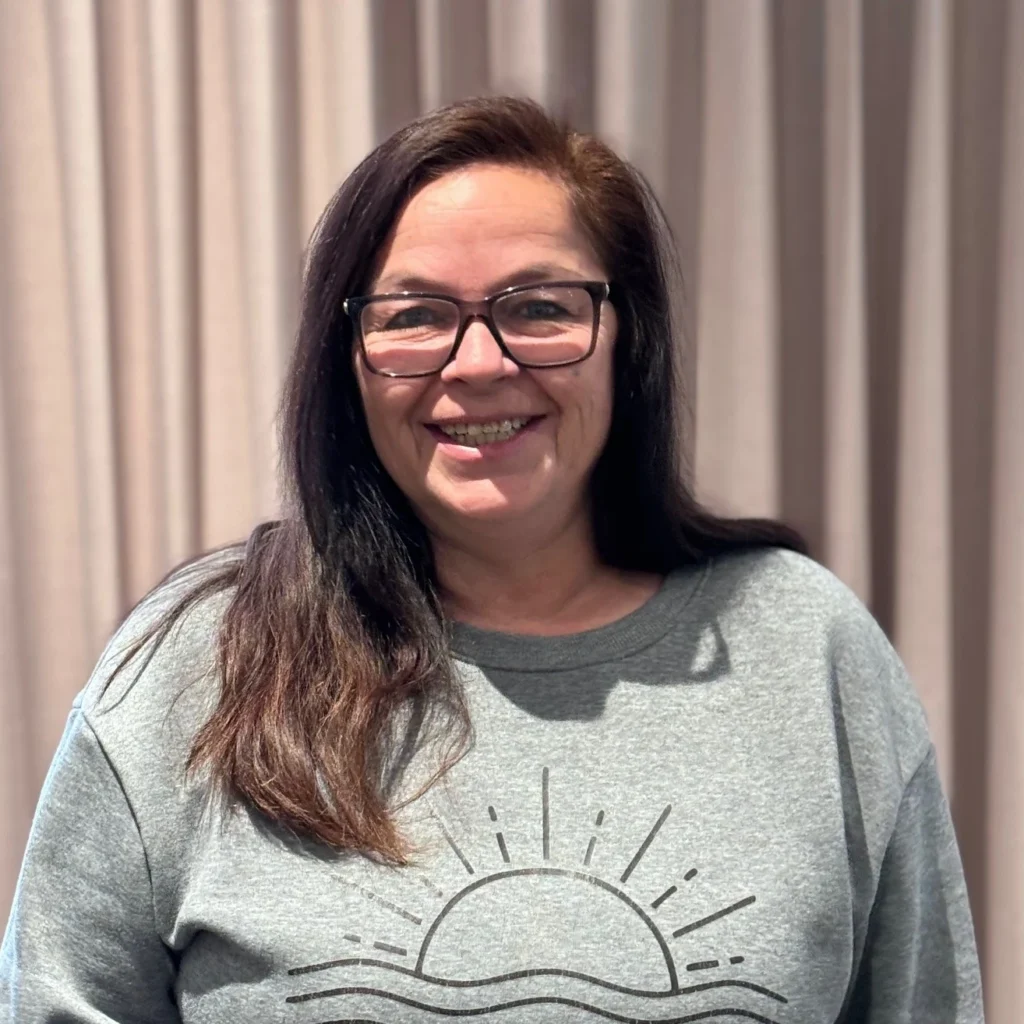
Ojbway White Sand First Nation joined Minwaashin Lodge in 2005 as a Sexual Abuse Counsellor. The support Lodge provides a range of programs and services to the Indigenous community. In 2008, Mary joined management as the Counselling Team Supervisor becoming Acting ED in 2011 and ED in 2014. The spirit of her ancestors led her to pursue her dreams in supporting Indigenous women and children fleeing domestic abuse and violence with a Native Studies and Addictions background.